
Why build the WET Center?
Tennessee currently lacks a hub for practical training in water and soil management, infrastructure, and emergency response – and the absence of this training has devastating consequences. Opening in 2027, the WET Center will fill this gap, providing certification programs, continuing education, and hands-on experience that will prepare those who design, build, fund, maintain, and protect our stormwater management systems – resulting in safer, more resilient communities.
$4.5M
facility construction cost
$600k
annual operating expenses
Thanks to Governor Bill Lee and the legislature, the construction of the WET Center site and building is fully funded. As such, we conducted a feasibility study to help us better understand the potential benefits and challenges of the Tennessee WET Center.
Given the scale and intensity of damage caused by stormwater and the seeming opportunity for training courses, the return on investment represented by the WET Center is promising. Nevertheless, development of a new facility and program comes with significant investment for operation, curriculum development, instructors, equipment, maintenance and a host of other items. We know collaboration is key and are actively seeking out potential partners to support the center.
Leadership
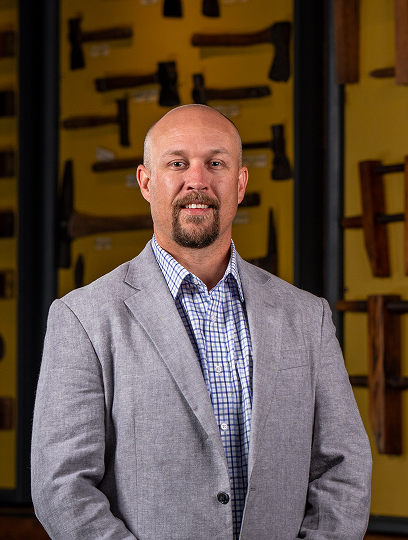
David Blackwood
WTRBA Executive Director
The West Tennessee River Basin Authority (WTRBA) is the founding partner and lead agency responsible for the development and oversight of the WET Center, aligning its mission with watershed resilience and regional infrastructure training. As Executive Director, David leads efforts in watershed restoration, flood mitigation, and regional water infrastructure strategy. With a background in engineering and decades of experience in water management, he has been instrumental in advancing innovative, collaborative solutions for Tennessee’s water challenges.

Alison Franklin
Executive Director
Alison Franklin is the inaugural Executive Director of the Water Education and Training (WET) Center, where she leads the development of hands-on training programs for water infrastructure, emergency response, and environmental resilience. With over 25 years of experience in strategic leadership, education, and agricultural business, she is known for building high-impact partnerships that drive innovation and workforce development.

Misti Pequignot
Administrative Services Assistant
As Administrative Services Assistant, Misti utilizes her experience in conservation, disaster preparedness, and outreach to support WET Center operations.
Staffing
The WET Center will be staffed by a multidisciplinary team of professionals dedicated to delivering hands-on training and support across a range of water-related topics. Staff will include leadership, curriculum developers, training coordinators, technical specialists, and administrative personnel who work together to ensure seamless program delivery. Subject matter experts and facilitators will guide participants through immersive learning experiences using real-world models and equipment. Instructors may come from backgrounds in engineering, emergency response, public works, environmental science, and more—reflecting the diverse audiences we serve. As the Center grows, so will the team, continually expanding to meet the evolving needs of water and infrastructure education.
Follow us on LinkedIn for hiring news.
Your ideal training location
WET Center is located at Lone Oaks Farm, operated by the UT Institute of Agriculture in Middleton, TN.
Lone Oaks Farm is more than a training site—it’s an experience. Alongside state-of-the-art classrooms and meeting spaces, the farm offers comfortable on-site lodging, catering, and gathering areas that make multi-day or overnight trainings seamless. Between and after sessions, participants can step outside to enjoy the natural beauty of the farm, whether it’s fishing on the lake, exploring the grounds, shooting at The Clays or simply relaxing in a peaceful setting.
Collaborators
$4.5M
facility construction cost
$600k
annual operating expenses
Thanks to Governor Bill Lee and the legislature, the construction of the WET Center site and building is fully funded. As such, we conducted a feasibility study to help us better understand the potential benefits and challenges of the Tennessee WET Center.
Given the scale and intensity of damage caused by stormwater and the seeming opportunity for training courses, the return on investment represented by the WET Center is promising. Nevertheless, development of a new facility and program comes with significant investment for operation, curriculum development, instructors, equipment, maintenance and a host of other items. We know collaboration is key and are actively seeking out potential partners to support the center.
Our Current Collaborators





Our History

2019
Sparking the Idea
David Blackwood, WTRBA Executive Director, recognizes a critical gap in stormwater knowledge. David and a group of friends develop the idea for a hands-on training center: the WET Center.
2020
Regional support
Conducted 30+ interviews and a regional survey — 94% of West TN mayors agreed that WET Center would benefit their communities, confirming strong regional support.
2020 – 2023
Concept development
Conceptual site developed and full cost-benefit analysis completed — making the statewide case that the WET Center will save millions in long-term infrastructure costs.
2024
Initial funding secured
WET Center’s initial is funding is approved by TN State Legislature and Governor. Additional partners are recruited, and fundraising continues for full development costs.
Spring 2026
Groundbreaking
Groundbreaking ceremony for Wet Center at Lone Oaks in Middleton, TN.
Summer 2027
Construction completed
Construction concludes, inspections and occupancy permits are in place. Final preparations are made to deliver stellar, hands-on water flow training.
Fall 2027
Grand opening
Anticipated grand opening of WET Center to the public, along with classes and hands-on trainings becoming available.
Ready to shape the future of storm resilience?
Help build the WET Center, and equip those who protect our communities.